A study by Guo and Yang was just published comparing two kidney treatment strategies for patients with sepsis and acute kidney injury: In the first group, patients with kidney failure due to sepsis received early renal replacement therapy. The second group received delayed renal replacement therapy.
The quick way to think about this is whether doing more or doing less is better for patients with sepsis. Here the “more” strategy is early renal replacement, where blood is removed from the body and goes through a device that does the job of the kidney, filtering out toxins and waste products. That sounds like a good thing when the kidney looks like it is failing, right? The “less” strategy was delayed renal replacement. If sepsis kills patients because of organ failure – the conventional view – then replacing kidney function early aggressively would be predicted to save lives.
This study pierces that conventional wisdom. Patients in the early kidney replacement group died at a higher rate than those with delayed treatment. Early CRRT was significantly associated with increased 60-day mortality (HR 1.62, 95% CI 1.17–2.25, p = 0.004).
How do we make sense of these results? Intensivist and researcher Mervyn Singer proposed that organ failure might be a good thing in some cases of sepsis. Specifically, he focused on decreased cardiac output as a kind of hibernation of the heart that might help a patient survive the extreme energy costs of sepsis.
Could kidney failure in sepsis represent a similar hibernation phenomenon? Intriguingly, in 2016, Maidan et al published a study using a sheep model of kidney failure in sepsis that suggests that it is temporary and reversible, and perhaps not a “failure” of the organ at all. Maidan and colleagues argue that decreased kidney function in their sepsis model was “functional,” meaning not pathological.
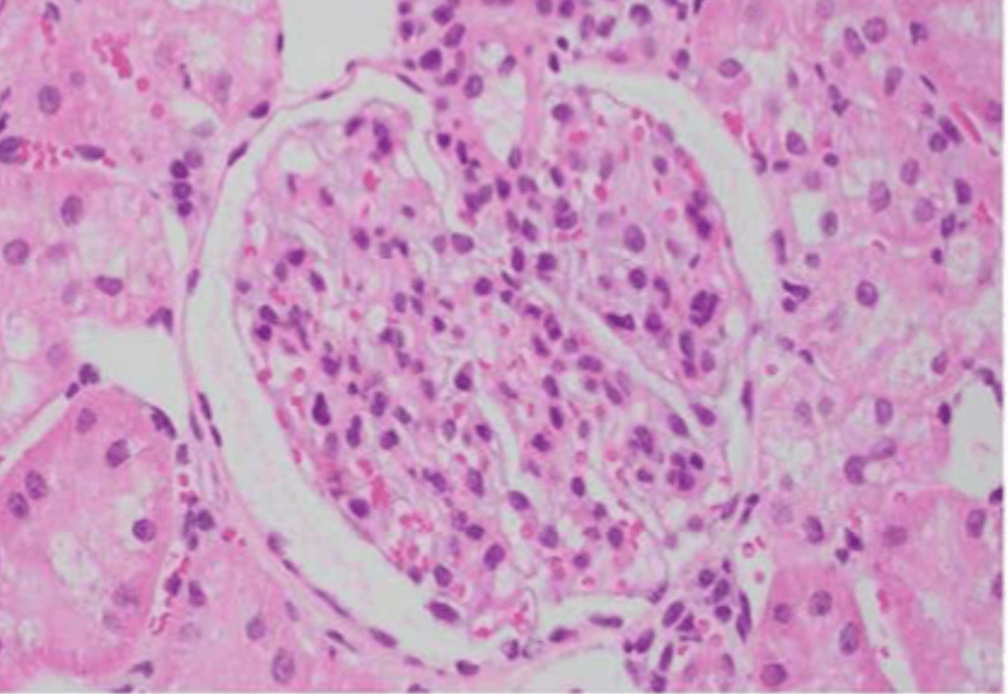
When examined under the microscope the kidney did not show signs of cell death or inflammation. They found evidence that the decreased function of the kidney happens because blood is shunted within the kidney. Blood therefore bypasses the glomerulus, the part of the kidney that does the filtering. They wrote:
“septic shock provoked a marked decrease in glomerular filtration (GFR).
Renal blood flow was maintained…along with no cellular changes to account for the marked reduction in GFR.
…supports the notion that early septic acute kidney injury represents a functional disturbance within the kidney.”
If functional, then perhaps the regulatory machinery responsible for decreased glomerular blood flow evolved because it is protective. This protective effect might be to support organ hibernation or for some other reason.
If decreased kidney function is itself beneficial or a side effect of a beneficial response, then we shouldn’t expect a survival boost from interventions that “replace” kidney function. This study is in accord with that view. A previous Cochrane review also concluded that there was no survival benefit and increased adverse effects of early renal replacement.
A recent review notes that sepsis associated acute kidney injury is reversible, often not associated with increased long term mortality, and may work in concert with adaptive changes to metabolism at the cellular level. Even with this nod to function, the authors of that review still conclude that S-AKI is a pathology. Old habits die hard.
Categories: Uncategorized

Joe Alcock
Emergency Physician, Educator, Researcher, interested in the microbiome, evolution, and medicine


Leave a Reply