Right before the pandemic upended our lives, Kevin Lozo MD, now a (almost graduated) resident of pediatrics at the University of Pittsburgh, came to the University of New Mexico to part in the UNM Evolutionary Medicine elective, one of the few electives of its kind taught in a US medical school. Kevin (left) and I are pictured below at the top of Sandia Crest.

While in New Mexico, Kevin developed a series of ideas about how pain can be manipulated by pathogens, and how this might be related to the microbiome and the complications of opioid use. It took a while for this work to see the light of day, but it was published today in Evolutionary Applications.
We presented this work at the International Society for Evolution, Medicine and Public Health in Lisbon, Portugal.
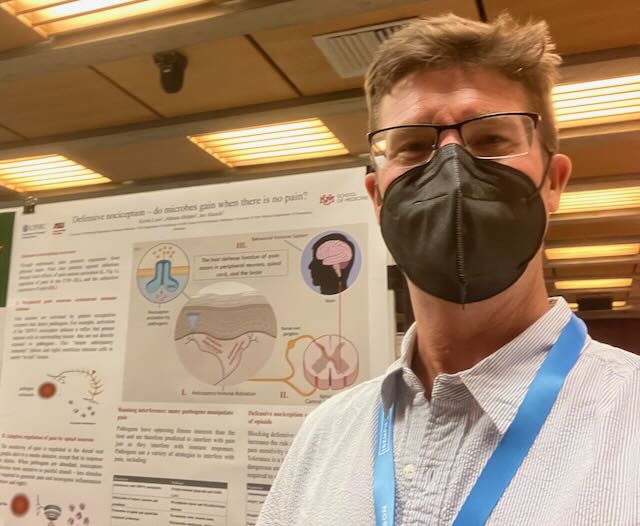
We described this project in previous posts here and here. Athena Aktipis, my longtime collaborator played a key role positioning this work as an evolutionary conflict and cooperation between humans and our associated biota.
Sometimes it takes a while to publish – I am proud of Kevin and this important work.
I will post a follow up about with additional implications of this paper soon.
| Pain-Blocking Mechanism | Pathogen |
| Interference with TRPV1 nociceptors | Porphyromonas gingivalis and SARS-CoV2 |
| Destruction of sensory neurons and anesthesia | Mycoplasma leprae and Mycobacterium ulcerans |
| Production of opioid and opioid-like compound production | Toxoplasma canis, Ascaris suum, Dracunculus medinensis, Schistosoma mansoni, Plasmodium berghei |
| Interference with opioid receptor signaling | Escherichia coli |
| Synthesis of proteins that mimic enzymes responsible for morphine synthesis in the opium poppy | Pseudomonas aeruginosa, Klebsiella pneumoniae and Acinetobacter baumannii |
Multiple pathogens inhibit pain signaling to gain a fitness advantage.
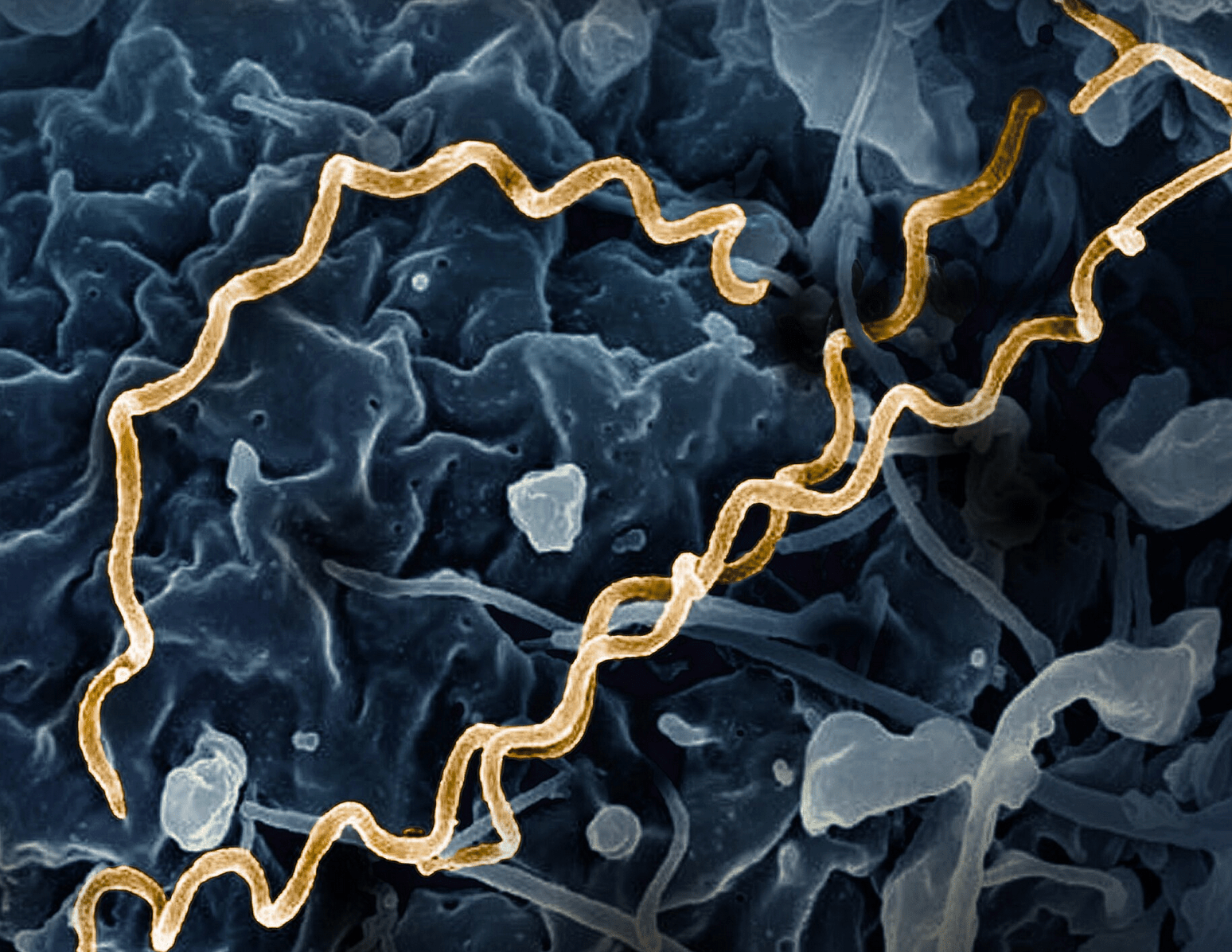
Treponema pallida is a key example:
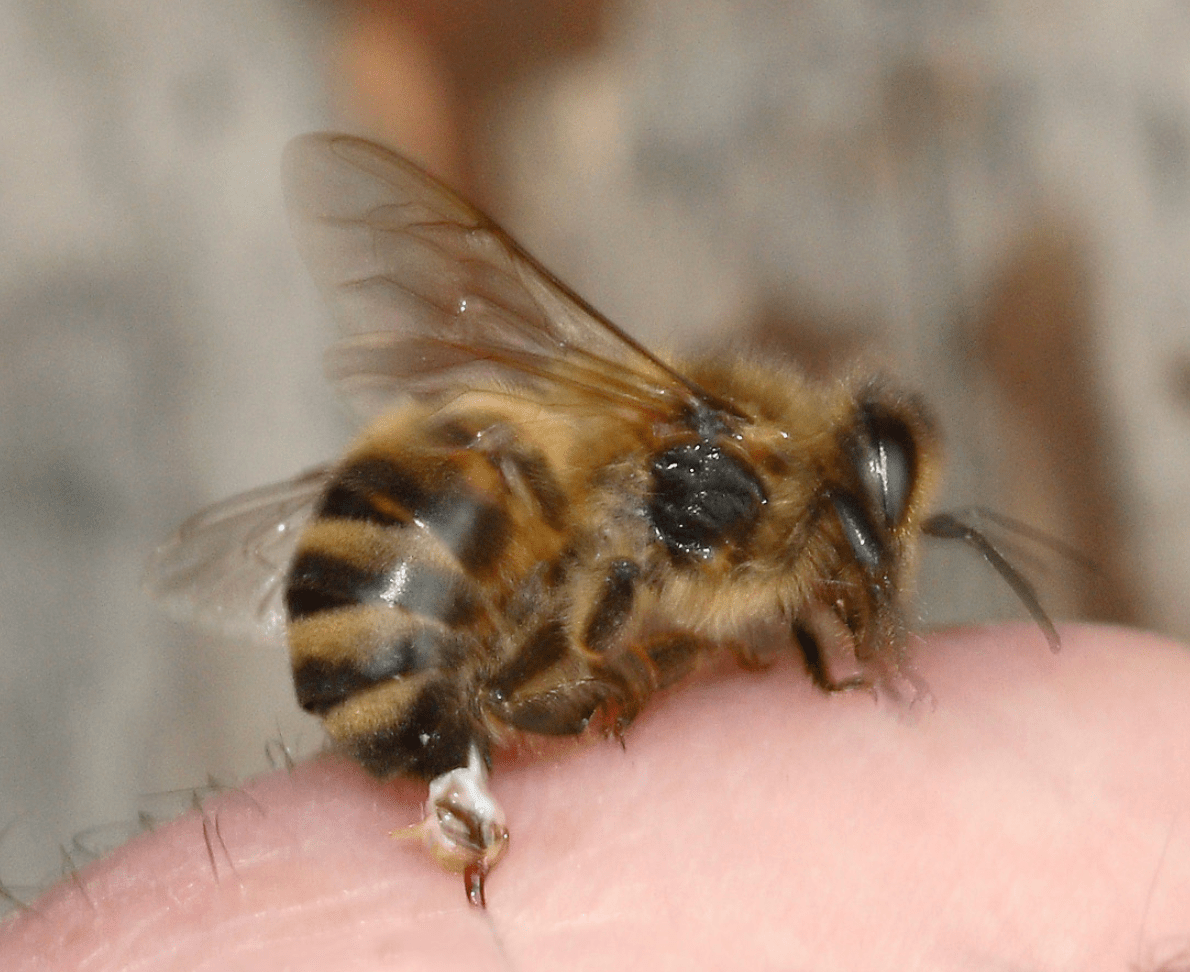
Other animals, hijack pain signaling, manipulating behavior by increasing it.
Read our open access paper at Evolutionary Applications.
Or just read the abstract:
Neuroimmune pain and its manipulation by pathogens. Recent studies highlight extensive crosstalk that exists between sensory neurons responsible for pain and the immune system. Cutaneous pain neurons detect harmful microbes, recruit immune cells, and produce anticipatory immunity in nearby tissues. These complementary systems generally protect hosts from infections. At the same time, neuroimmune pain is vulnerable to manipulation. Some pathogens evade immunity activated by nociceptors by producing opioid analogs and by interfering with sensory nerve function. Other organisms manipulate neuroimmune pain by increasing it. Hosts may gain protection from interference by adjusting pain sensitivity. Nociceptive sensitization follows expectations of signal detection theory and the smoke detector principle, allowing pain to be more easily triggered in response to microbial threats and damage. However, pain sensitization at the spinal level and cortical responses to pain are themselves the target of manipulation by parasites and other organisms. Here we review examples of parasites, bacteria, and other medically important organisms that interfere with pain signaling and describe their implications for public health, infectious disease, and the treatment of pain.
Categories: Uncategorized

Joe Alcock
Emergency Physician, Educator, Researcher, interested in the microbiome, evolution, and medicine
 EvolutionMedicine

Leave a comment